Tag: Strategy Guides
Winning Patterns And Card Values
Mastering card games requires a delicate balance between recognizing structural formations and calculating the mathematical worth of your hand. Players who rely purely on luck often overlook how specific distributions can completely alter their score during critical rounds. By developing a keen eye for subtle sequences, you can consistently minimize risks and outmaneuver your competition.
The Core Relationship Between Patterns and Values
In most traditional card games, the arrangement of your hand dictates how individual card scores are calculated. While high cards carry heavy penalties when left unmelded, they become immensely valuable when arranged into correct sequences or sets. Understanding this dynamic relationship allows top competitors to prioritize which groups to complete first.
Failing to establish a balanced structure early in the game often leads to severe point accumulation. Expert players constantly evaluate their assets to determine whether to pursue high-value combinations or dump risky choices. Striking the right balance ensures you remain flexible as the match progresses.
Recognizing High Risk Versus High Reward Formations
Face cards like Kings, Queens, and Jacks universally carry heavy scoring weights that can damage your standings. However, assembling them into valid runs completely nullifies their penalty value, turning them into safe assets. The decision to hold or discard these major weights depends entirely on the layout of the current pile.
When an opponent shows signs of finishing, holding multiple unarranged face cards becomes a significant liability. In these intense moments, shifting to a defensive mindset is crucial for long-term survival. Transitioning to lower-value card formations allows you to mitigate damage effectively.
Strategic Adaptations and Modern Insights
Successful players do not stick to a single formula but adapt their tactics based on how the round unfolds. Observing which values are discarded by others provides vital clues about the hidden patterns remaining in the deck. Utilizing reliable platforms to check guides can significantly enhance your operational knowledge.
For instance, accessing an authentic portal like login situs m88 offers comprehensive tutorials on mathematical game strategies and scoring systems. Implementing these professional insights into your daily practice sessions guarantees a sharper competitive edge. Consistent observation combined with structured learning builds the foundation for expert execution.
Defensive Discarding and Mathematical Management
Every choice you make when throwing away a card alters the possibilities available to the rest of the table. Throwing a low-value card might seem safe, but it could inadvertently complete a crucial run for your opponent. Managing the table layout involves tracking both your internal points and external vulnerabilities.
As you gain experience, reading the progression of card weights becomes an automatic mental process. Minimizing total hand penalties ensures that even tough rounds do not ruin your overall tournament standings. Ultimately, victory belongs to those who respect the intricate numbers behind every formation.

Social Gaming Through Bingo
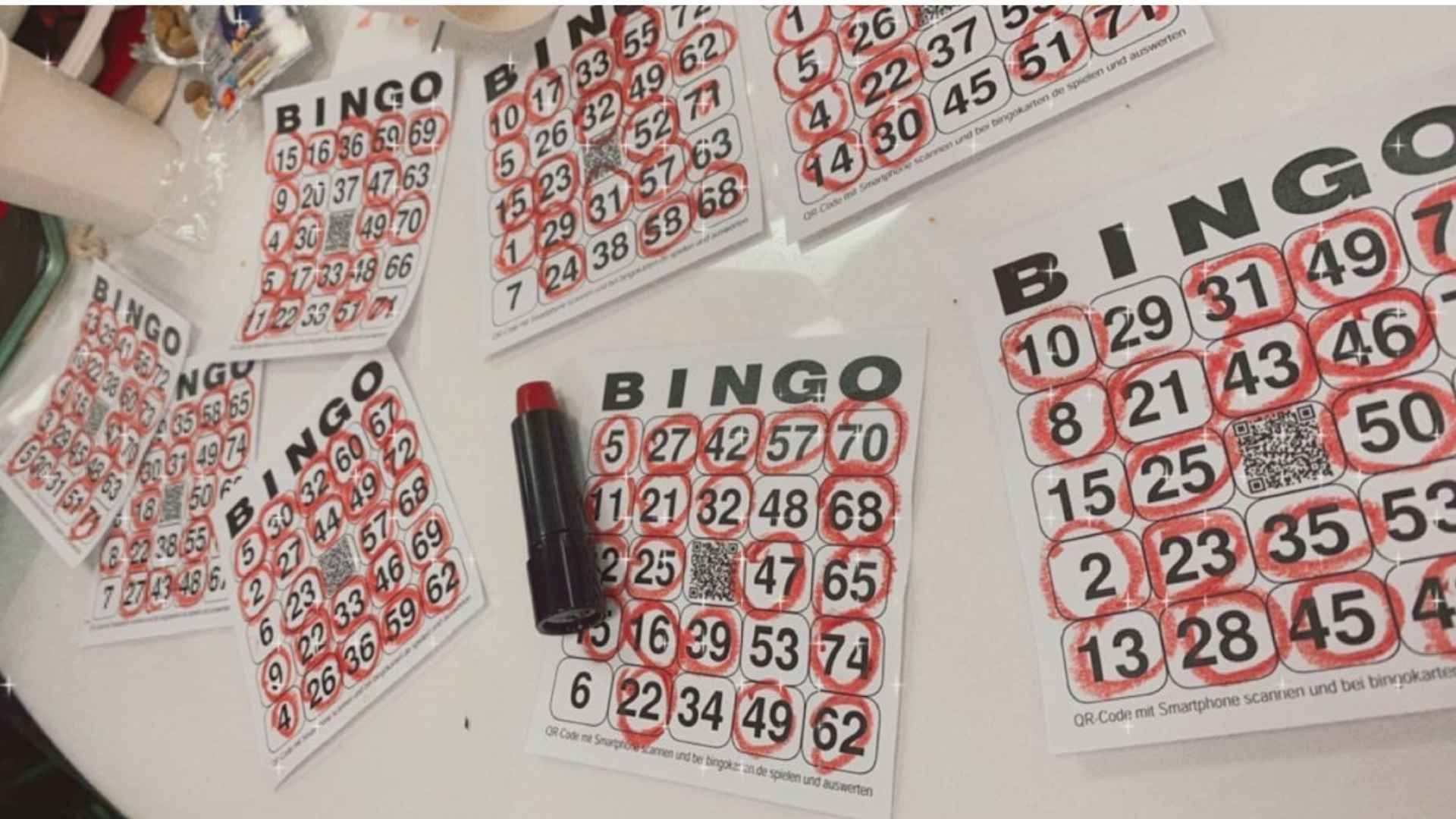
Bingo has long been celebrated as a premier pastime that successfully bridges the gap between simple entertainment and deep community interaction. In recent years, the classic game has undergone a profound transformation, evolving from traditional physical halls into dynamic virtual environments. This digital shift allows players from all walks of life to engage in social gaming while experiencing the timeless thrill of the random draw.
The Evolution of Community Connections
Historically, local community centers and neighborhood halls served as the primary gathering hubs for bingo enthusiasts looking for shared excitement. The game naturally fosters an inclusive atmosphere where participants can converse, celebrate wins together, and build lasting friendships. Today, modern platforms have effectively replicated this unique social element, ensuring that the spirit of camaraderie remains fully intact.
Digital rooms now feature highly interactive chat modules that encourage real-time conversation alongside the active gameplay. Participants can easily share tips, congratulate peers on successful card completions, and form tightly-knit virtual networks. This continuous interaction transforms a traditional game of chance into a vibrant, collaborative event for everyone involved.
Replicating the Traditional Hall Experience
Recreating the sensory joy and community dynamics of physical bingo halls requires careful design choices in modern software. Leading developers focus heavily on implementing clear multiplayer interfaces that prioritize user interaction and social visibility. As a result, players never feel isolated while waiting for the next random digit to be announced by the host.
If you are looking to explore these interactive features firsthand, finding the right portal is essential for a seamless setup. Players often look for a secure login situs m88 to access robust gaming ecosystems that support reliable community rooms. Selecting established networks ensures that your entry into the world of digital entertainment remains completely safe and highly rewarding.
The Benefits of Shared Interactive Spaces
Engaging in shared casual gaming activities offers significant psychological benefits, including reduced stress and enhanced feelings of belonging. Regular participation in these structured group games helps individuals maintain mental sharpness through active tracking and focused coordination. Furthermore, the supportive nature of online gaming groups provides a wonderful emotional outlet after a long day.
These virtual spaces are particularly valuable for adults looking to expand their personal networks without geographical limitations. The low-stakes environment removes unnecessary performance pressure, allowing conversations to flow naturally between rounds. True success in the game lies not just in completing patterns, but in embracing the shared joy of the group experience.
Future Trends in Interactive Entertainment
The landscape of modern casual gaming continues to evolve rapidly alongside ongoing developments in mobile and cloud technology. Future iterations of digital bingo are expected to incorporate advanced live-streamed elements and deeper customization features for community leaders. These upcoming innovations will undoubtedly strengthen the role of simple games as primary tools for global social connection.
As virtual communities become more sophisticated, the focus will remain firmly on enhancing player engagement and mutual support. The enduring popularity of this beloved pastime proves that the fundamental human desire for connection never goes out of style. By combining classic mechanics with modern technology, the game ensures its place as a cornerstone of social gaming for generations to come.

The Complete Competitive Rummy Handbook
Transitioning from a casual home game to the high-stakes world of organized tournaments requires a complete shift in how you evaluate your hand and anticipate your opponents. Competitive rummy is not merely a game of chance, but a complex battle of mathematical probabilities, memory retention, and psychological resilience. This handbook is designed to help aspiring players systematically build the skills necessary to dominate structured card competitions.
The Core Elements of Card Tracking
To establish a distinct advantage over other players, you must master the fundamental skill of tracking every card that enters and leaves the discard pile. Observing which cards your opponents pick up or discard provides critical clues about the specific runs and sets they are actively attempting to construct. This continuous mental logging prevents you from accidentally discarding a card that could hand your rival an immediate victory.
Furthermore, keeping a close eye on the cards left in the draw pile helps you calculate the mathematical probability of completing your own hands. Experienced competitors never rely on hope alone, but instead base their strategic sequences on real-time table data. Practicing this level of observation on reputable gaming platforms like the login situs m88 portal can significantly sharpen your analytical skills under real tournament conditions.
Implementing Smart Risk Management
A common mistake among novice tournament players is holding onto high-value cards for too long in hopes of forming a perfect sequence. In a highly competitive environment, holding unmatched face cards or aces significantly increases your point deficit if another player declares suddenly. Strategic players often prioritize discarding these high-point cards early in the round to minimize their vulnerability.
Equally important is knowing when to execute a calculated drop or fold to protect your tournament standing. Accepting a minor, pre-determined point penalty by folding a weak starting hand is often far better than risking a massive point loss. Mastering this balance between calculated aggression and disciplined defense is what ultimately separates average card players from tournament champions.
Mental Stamina and Tournament Etiquette
Participating in multi-round tournaments requires immense mental endurance to maintain a high level of concentration over several hours of play. Fatigue frequently leads to simple cognitive errors, such as miscalculating sequences or overlooking an opponent's subtle discard pattern. Preparing your mind with regular practice and establishing a calm routine before matches will keep your focus sharp when the pressure builds.
Additionally, maintaining professional table etiquette and respecting other competitors is essential for a positive tournament experience. Approach every match with a steady, unemotional mindset and treat both victories and losses as valuable opportunities to refine your overall gameplay. By combining advanced card-tracking techniques with emotional discipline, you can build a reliable path toward long-term competitive success.
Beginner Friendly Poker Tables Explained
Entering the world of poker can feel intimidating for newcomers who are unfamiliar with the fast-paced nature of live games. Finding a beginner-friendly table is the most effective way to learn the ropes without feeling overwhelmed by experienced players. These specialized environments allow novices to build confidence and understand basic table etiquette at a comfortable speed.
What Makes a Poker Table Beginner Friendly
A true beginner-friendly table is defined by its low betting limits and a welcoming, relaxed atmosphere. These tables typically feature micro-stakes, which minimize the financial pressure and allow players to focus entirely on learning hand rankings. The overall pace of play is generally slower, giving everyone ample time to calculate pot odds and make informed strategic decisions.
In addition to lower stakes, these games often discourage aggressive, high-pressure playstyles that can scare away new enthusiasts. Dealers at these tables are usually highly trained to assist newcomers with rules and pot calculations when requested. This supportive structure ensures that players can ask questions without feeling self-conscious about their current skill levels.
The Strategic Value of Low Stakes
Starting your journey at low-stakes tables provides a safe environment to test different starting hand requirements. Trying to master complex strategies on high-stakes tables often leads to rapid bankroll depletion and unnecessary frustration. By keeping the stakes low, you can safely experiment with various bluffing and calling ranges over hundreds of practice hands.
Consistent practice at this level also helps you develop a strong psychological foundation for managing natural game variance. Understanding how to handle both winning streaks and unavoidable losses is crucial for long-term enjoyment of the game. For players looking to transition their practice online, using a trusted portal like login situs m88 can offer convenient access to various micro-stakes options.
Essential Table Etiquette for Novices
Understanding basic table etiquette is just as important as knowing the mathematical hand rankings of the game. Players should always act in turn to maintain a smooth flow of play and avoid accidentally giving away crucial strategic information. Additionally, keeping your chip stacks neatly organized makes it easier for your opponents to assess your active betting capacity.
Another vital rule is to avoid talking about folded cards while an active hand is still being contested by other players. Revealing what you discarded can unfairly alter the decision-making process for those who are still competing for the pot. Keeping your comments friendly and neutral helps maintain the cooperative spirit that makes beginner tables enjoyable for everyone.
Transitioning to Standard Tables
Once you feel comfortable navigating basic betting rounds and reading simple board textures, you might consider moving up in stakes. This transition should be gradual, ensuring that your bankroll is robust enough to handle the increased financial variance of larger tables. It is often wise to test the waters during quieter hours when the general competition level is slightly softer.
Remember that even as you advance, the foundational skills practiced at beginner tables remain the cornerstone of your success. Patience, position awareness, and disciplined bankroll management will always serve you well regardless of the table stakes. Continuously reviewing your play history will ensure a steady and rewarding progression throughout your poker journey.