How Long Does A 3DS Battery Last And What Affects Battery Performance
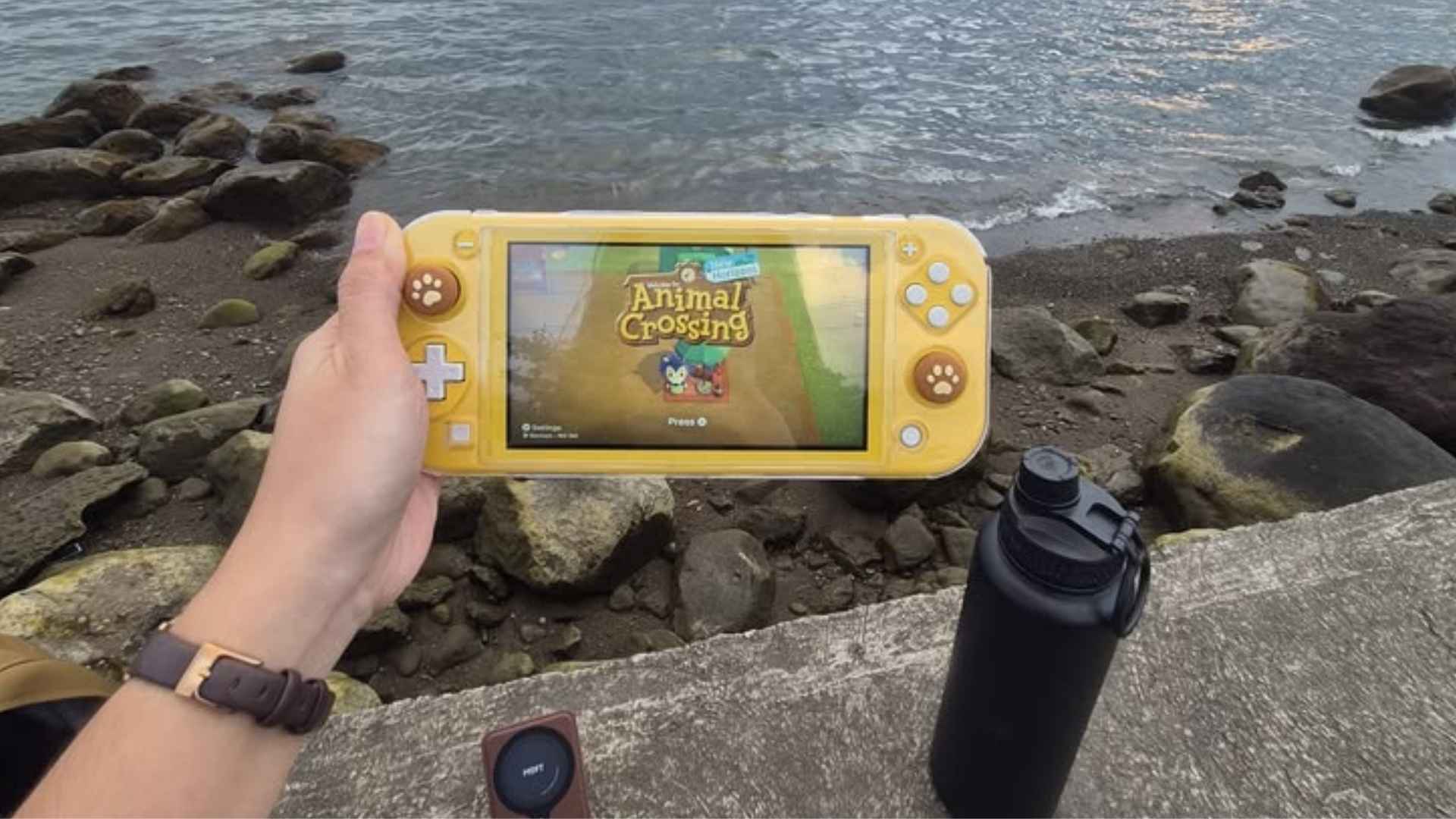
The Nintendo 3DS remains a beloved handheld system for retro gaming enthusiasts and casual players alike. However, understanding its battery life is essential for maintaining smooth gaming sessions on the go. Depending on the specific model and active settings, a standard 3DS battery generally provides three to five hours of continuous play.
Average Battery Life Across Nintendo 3DS Models
Original Nintendo 3DS models typically deliver between three and five hours of battery life when running native 3DS software. Playing older Nintendo DS games can extend this operational time up to eight hours due to lower processing demands. Larger hardware revisions like the 3DS XL offer slightly larger batteries that push playtimes closer to six or seven hours.
Leaving the device in sleep mode allows it to stay powered for around three days on a single charge. However, background features like StreetPass can slowly drain power during standby. Knowing these general baselines helps players better plan their daily portable gaming sessions.
Key Factors That Impact Battery Performance
Screen brightness levels play one of the largest roles in determining overall power consumption. Setting the backlight to maximum levels depletes the lithium-ion cell significantly faster than using lower brightness settings. Additionally, enabling auto-brightness or power-saving modes can optimize display energy usage dynamically.
Wireless communication features like Wi-Fi and local multiplayer constantly search for network signals. Keeping the wireless switch toggled on drains power even when actively playing offline single-player titles. Disabling wireless connectivity when online features are unnecessary preserves valuable battery life.
The stereoscopic 3D effect requires the console to render two separate images simultaneously. This extra graphical processing places a heavy load on the internal hardware, accelerating power drainage. Turning off the 3D effect noticeably extends playtime during demanding gameplay sequences.
Hardware Age and Battery Health Maintenance
Lithium-ion batteries naturally degrade over time, losing maximum charge capacity after years of regular use. Older 3DS units may struggle to hold a charge for more than two or three hours today. Replacing an aging internal battery pack can easily restore the system to its original performance levels.
Proper storage habits also help preserve long-term battery health and prevent sudden capacity loss. Storing the console at moderate room temperatures avoids heat stress on the internal power cell. Charging the console before the battery completely drains also helps maintain overall cell stability over time.
Practical Tips to Extend Playtime
Lowering the screen brightness to a comfortable setting immediately increases daily battery duration. Using wired headphones instead of playing audio through internal speakers can also slightly reduce power consumption. These simple tweaks allow players to squeeze extra gaming time out of every charge.
Carrying a portable power bank with a compatible USB charging cable provides an easy backup solution during travel. Taking these small precautions ensures uninterrupted adventures across your favorite handheld gaming titles. Maintaining awareness of system settings ensures your console remains ready whenever you want to play.